Office Time
Mon-Sat: 8am to 8pm



Starting a business in Dubai is exciting and at the same time confusing . The city is built for business systems that are digital, fast processes , and you could register a company in a few days. But on the other hand, Dubai has proper rules. So if you miss to follow those rules you will lose many days to fix it.
From the details below you will know about Dubai business regulations, you will get the things such as what you must do, what people often forget, and how to stay compliant without stress.
Table of Contents
Dubai’s rules come from more than one level. That’s normal here, but you need to understand it early.
So, when someone says “Dubai rules,” the real question is:
Which jurisdiction are you registering under, and what activity are you doing?
That one choice has an impact on everything that comes after it, including your license type, permissions, visa process, and even your bank account. Get details on Business Setup in Dubai.
Let’s keep this simple—your business setup option decides your operating boundaries.
Dubai Mainland (DET licensing)
A mainland setup is usually best when you want to:
Mainland businesses might require extra approvals for specific industries such as food, healthcare, education, transport. However, once approved, operating locally can be smoother.
Free zones are popular because setup could be quick, and many are designed for some sectors such as tech, logistics, trading, media, healthcare.They can be a great match if you:
Still, market access rules can differ. Some free zone businesses need additional arrangements to sell directly into the mainland, depending on what they do.
Offshore structures are commonly used for holding assets or international business structures, not for running a “walk-in” operation like a store or local office.
Your trade license is your legal identity in Dubai. The license shows:
Common license categories include:
Here’s where people make mistakes:
They choose a license based on a “similar business” they saw online, not based on their real activity.
Example:
Fixing a wrong activity later can mean amendments, approvals, and delays—so it’s worth getting right upfront.
In Dubai, a trade license is step one. For many industries, you also need operational approvals.
Depending on your activity, you may deal with:
This is why a “cheap setup” sometimes becomes expensive later. If your office or shop doesn’t meet the activity requirements, you might need to change premises—or restart approvals. Looking for a Corporate Tax Consultants in Dubai?
Dubai is business-friendly, but compliance has become more structured. Even small businesses should treat the basics seriously.
If your business falls under corporate tax scope, you generally need:
You must do the following if your income goes over the VAT threshold (or you choose to register):
This is a practical point: keeping clean records isn’t just for tax. It helps with:
In Dubai, “we’re small” isn’t a strong defense if records are missing. It’s better to set up a simple accounting routine early. Get details on UAE VAT Registration Service.
Here’s a clean overview you can save:
|
Compliance Area |
What You Need To Do |
What Happens If You Ignore It |
|
Trade License Renewal |
Renew yearly + keep tenancy docs updated |
Fines, blocked services, business disruption |
|
VAT (if applicable) |
Register + invoice correctly + file returns |
Penalties, tax issues, cashflow trouble |
|
Corporate Tax (if applicable) |
Maintain accounts + file returns |
Non-compliance risk, penalties |
|
Visas & Immigration |
Establishment card + visa renewals |
Staff status issues, blocked processing |
|
Labor Compliance |
Contracts, payroll records, policy clarity |
Disputes, fines, employee risks |
|
Permits & Inspections |
Activity-based approvals and renewals |
Operational shutdown risk |
|
UBO/ESR (if applicable) |
Declarations and required filings |
Fines, compliance flags |
Once you start hiring, compliance becomes more visible.
Most problems happen when:
Also, staffing plans should match your setup decisions. In some jurisdictions, office type and size can influence visa allocations. So, if you plan to grow a team, don’t choose an office blindly.
Even after you get your license, banking can be the next hurdle. Banks in the UAE follow strict compliance checks. They often ask for:
A simple tip: build a neat “company file” from day one. Include:
It sounds small, but it speeds up onboarding. Get details on Bank Account Opening Service in Dubai.
Dubai runs on renewals and deadlines. The system is efficient, but it is strict.
Typical recurring items include:
If you miss a deadline, it can set off a chain reaction: visa processing stops, banking updates are delayed, and government services are barred until everything is repaired.
So, even if you’re a solo founder, keep a simple calendar. One hour of planning saves days later.
Related Articles:
» Things to Know to Start a Business in UAE
» How to Setup your Business in Dubai?
» Choosing the Right UAE Free Zone for Your Business
» Business Entities in Dubai Mainland
» Free Zone Business Setup in the UAE: From Initial Approval to License
Dubai’s regulations are not designed to trap business owners. They’re designed to keep operations clean and structured. In most cases, if you choose the right jurisdiction, pick the correct activity, and keep your renewals and records organized, compliance becomes routine.
At Black Swan Business Setup Service, we help you align your setup with real operational needs—so you don’t spend your first year fixing avoidable mistakes.
Choosing the right jurisdiction and registering a trade name, then applying for the correct license.
It depends on your activity and structure. Some free zone companies need additional arrangements to sell directly in the mainland.
Commercial is for trading and selling goods. Professional is for services and consulting.
Not usually, but a lot of industries do, especially those that deal with food, health, education, tourism, and logistics.
Usually once a year you need to renew your Dubai trade license.
You may face fines and service restrictions until the renewal is completed.
No. VAT depends on revenue threshold and business model. Some register voluntarily.
Yes. Even small businesses should keep proper accounts for tax, banking, and compliance.
Corporate tax applies based on scope and taxable income rules. Eligibility and exemptions vary, so proper assessment matters.
Most delays happen due to KYC requirements—unclear activity, missing documents, or weak transaction proof.
You can begin visa processing once your company immigration setup is complete and you meet your jurisdiction requirements.
Use a renewal calendar, keep a clean document folder, and get professional support for licensing and compliance checks.
If you’ve spent the last decade skimming mainstream Western headlines, you likely view the Gulf…
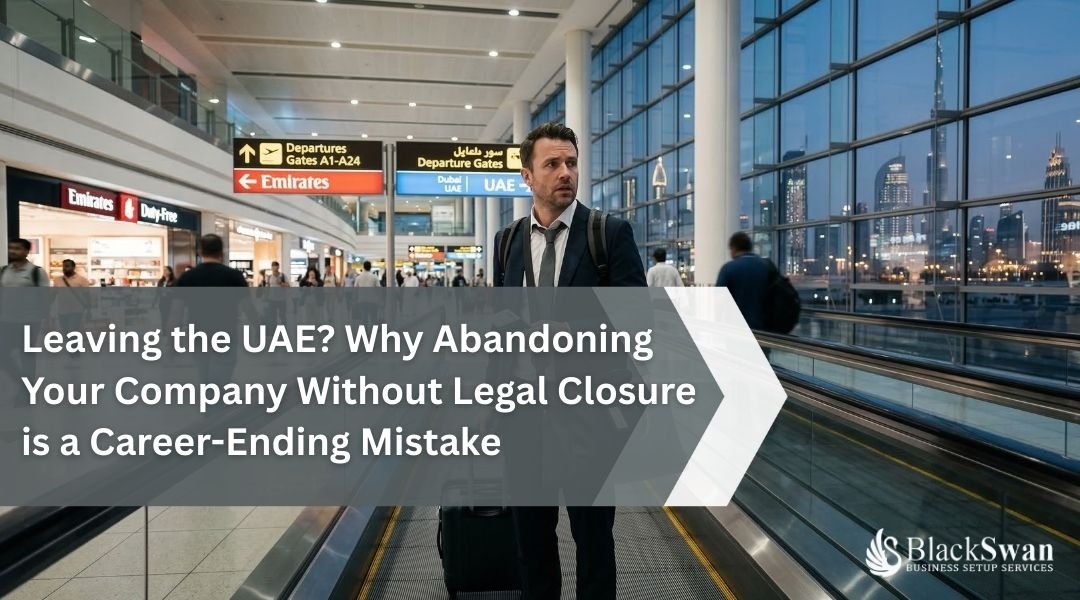
Let’s be honest for a moment. Leaving a business behind is never easy. It’s usually…
When you plan to launch a business in the Sultanate, the first question would be:…
When you plan to launch a company in the Sultanate, one question arises: how much…
Running a company in Dubai feels fast—your market changes, your brand changes, and sometimes your…
Dubai is meant for trade. And if your business depends on fast air connections, smooth…
If you want a premium Dubai free zone address, fast setup, and global credibility, DMCC…
If you are building a tech startup in the UAE, you will hear about Dubai…
Explore business opportunities with attractive packages for setting up of Business in Dubai, Abu Dhabi, Sharjah, RAK & Ajman
* T & C Apply
Low-cost Mainland company formation packages starting at great Offer. Incorporate business in Dubai, Abu Dhabi, Sharjah, RAK & Ajman
* T & C Apply
Start your business in the UAE Offshore get discount offer today On Dubai (JAFZA Offshore), RAK & Ajman Offshore !
* T & C Apply
Our connection with ministries and government bodies across the UAE help us obtain quick government approvals for our clients. Our consultants work closely with the Department of Economic Development (DED) and other government bodies in UAE to ensure the smooth and timely company formation





Setting up of business in UAE
Setting up of business in UAE
Get exact cost for setting up of business & company formation. Includes License Cost, Visa, Registration Fee, Office Cost, Consulting Fee etc
UAE: No: 3701. 3702 Citadel Tower Business Bay, Dubai
OMAN: No. 210, Beach Commercial Complex , Muscat
KSA: #184, HQ offices, Al-Wurud, Riyadh
UK: Bank House, 81, St. Jude's Rd, Egham, TW20 0DF
+971 56 658 2477 / +971 4 240 6939 (landline)
helpdesk@blackswanbss.com
Mon-Sat: 8am to 8pm
Get a customized quote as per your requirement & also get a free consultation with one of our experts.
UAE: No: 3701. 3702 Citadel Tower Business Bay, Dubai
OMAN: No. 210, Beach Commercial Complex , Muscat
KSA: #184, HQ offices, Al-Wurud, Riyadh
UK: Bank House, 81, St. Jude's Rd, Egham, TW20 0DF
+971 56 658 2477 / +971 4 240 6939 (landline)
helpdesk@blackswanbss.com
Mon-Sat: 8am to 8pm
Get a customized quote as per your requirement & also get a free consultation with one of our experts.

 ODR | Privacy Policy| T&C| Copyright| Cookies