
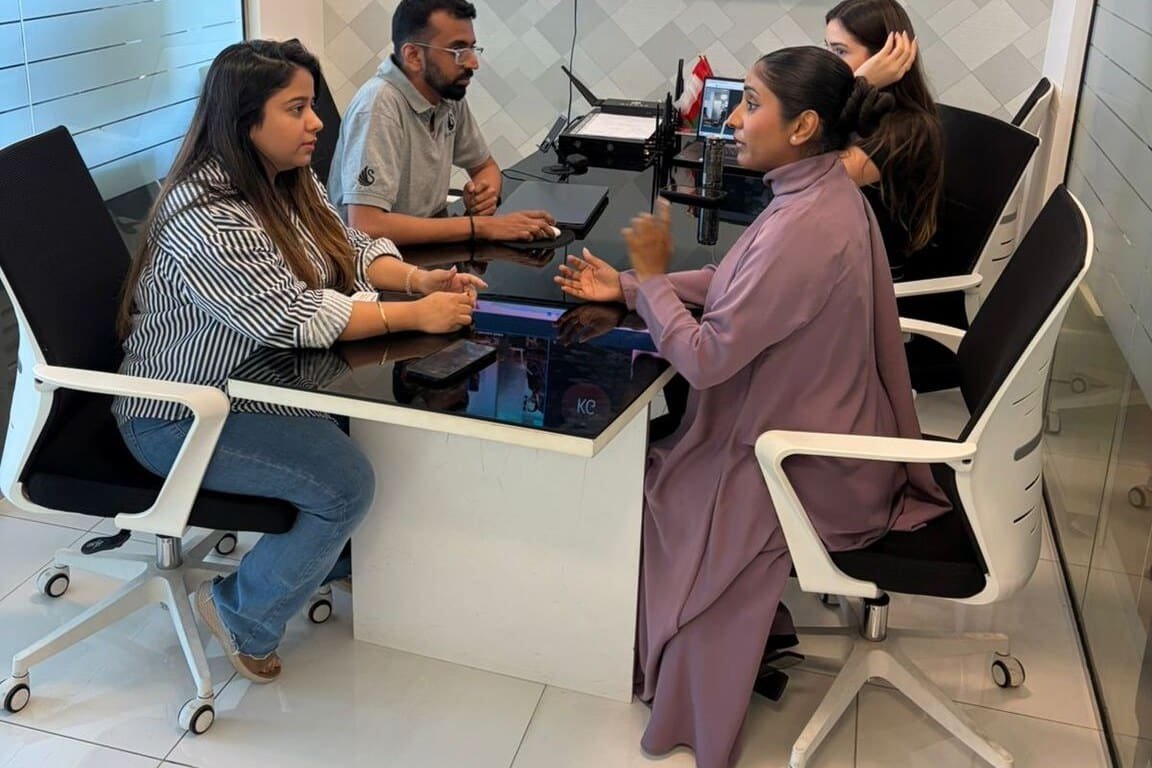
Legal translations by registered translators, checked before they reach the authority
Arabic is the language of the UAE courts, and most authorities expect documents in Arabic or English. A memorandum of association from abroad, a board resolution for the bank, a court judgment, a marriage certificate for a family visa: each needs a legal translation, and the law says only a translator registered with the Ministry of Justice can produce one that a court or authority will accept. A translation with a misspelt name or the wrong licence number is sent back, and the file waits.
We arrange legal translation for companies and individuals and check it before it is used. Each document is translated, stamped and signed by a legal translator registered with the Ministry of Justice and licensed for that language pair. We compare the names, numbers and dates with the passports and the company file, and we take care of the attestation and submission that follow.
Service overview
Legal translation for companies and individuals in the UAE, into and out of Arabic and English. The work covers company documents (certificates of incorporation, memoranda and articles, board and shareholder resolutions, powers of attorney and trade licences), contracts and agreements, court and notary documents, and personal documents such as birth, marriage, death and educational certificates. Attestation by the Ministry of Foreign Affairs or an embassy is arranged through our document attestation service, and translations for a new company or a licence change are filed by our Licensing and Compliance team.
- Legal translations by translators registered with the Ministry of Justice
- Company, contract, court and personal documents in Arabic and English
- Names, numbers and dates checked against passports and the company file
- Attestation and submission arranged after the translation


How a translation job runs
1. Documents and purpose. You send clear copies of the documents and tell us where they will be submitted. The receiving authority decides what needs translating, into which language, and whether attestation follows.
2. Quote. We confirm the language pair, the number of pages, any attestation and the timing, and agree the spelling of names with you before the work starts.
3. Translation. A legal translator registered with the Ministry of Justice and licensed for that language pair translates the documents, then stamps and signs each translation with their name and registration number.
4. Check. We compare every name, number, date and stamp reference with the originals, the passports and the company file, and send anything that does not match back for correction.
5. Attestation and delivery. Where the authority requires it, the translation goes on for attestation. You receive the stamped translations, and we file them if they are part of a company application we are handling.
What we do and what stays with you
We arrange the translation, check it and handle what follows; the content of the documents stays yours. A legal translation renders the original faithfully, so it cannot correct an error in the source document: a wrong name or number has to be fixed by the authority that issued it. We quote once we have seen the documents, based on the number of pages, the language pair, any attestation and the deadline. Attestation and other government fees are separate and listed in the quote.
Some things sit outside translation. We do not give legal advice on the content of a contract or a judgment; where a matter needs a lawyer, we say so. For languages other than Arabic and English, we confirm that a translator licensed for that language pair is available before we quote.
What the rules say
Who may translate. The translation profession is regulated by Federal Decree-Law No. 22 of 2022 and its executive regulations, Cabinet Resolution No. 18 of 2024. Translators must be on the Ministry of Justice list and hold a professional licence, may translate only to and from the languages they are licensed for, and must show their name and registration number on the translations they sign. Authorities may not certify, and courts may not accept, a translation that was not produced by a registered translator or translation house.
Courts and notaries. Arabic is the language of the UAE courts, and documents in another language are filed with a legal translation into Arabic by a translator approved by the Ministry of Justice. Notarial documents are generally drawn up in Arabic; in Dubai, a document in another language is translated into Arabic and the translation is attached to it.
Ministries and licensing authorities. The Ministry of Foreign Affairs attests documents in Arabic or English, or with a legally certified translation. For a branch of a foreign company on the Dubai mainland, the parent company’s documents are legally translated into Arabic and attested by the Ministry of Justice. The DIFC and ADGM registries ask for a certified legal translation into English of any document in another language.
Documents for use abroad. A document going to another country is attested in the UAE first, and then the destination country’s own rules apply, including any requirements it has for translations and legalisation by its embassy or consulate. We check those rules with the receiving authority before the work starts.
What to send us
- Clear copies of every page, including stamps and the back of each page
- The name of the court, authority or bank that will receive the translation
- Passport copies, so that names are spelled as in the passports
- The trade licence, so that the company name and number match
- Any earlier translation the authority has already accepted
- The deadline, and whether attestation is needed afterwards
- The originals, where the authority wants the translation attached to them
- Any special format the receiving party has asked for
Key features
A common reason for a translation to be sent back is a name that does not match. A shareholder’s name spelled one way in the passport, another way in the memorandum and a third way in the translation will stop a licence, a bank account or a visa until it is corrected. Agreeing the spellings before the translation starts, and checking the result against the passports and the company file, avoids a second round.
The other delay is the order of the steps. Some authorities want the translation attached to an attested original, others attest the translation itself, and documents for use abroad follow the destination country’s rules. Working out the sequence with the receiving authority first means each document is translated once and attested once.
Frequently asked questions
Only a translator or translation house registered with the Ministry of Justice and licensed to practise. Courts may not accept, and authorities may not certify, a translation from anyone else, and a registered translator may translate only to and from the languages they are licensed for.
Arabic is the language of the courts, so documents in English or another language are filed with a legal translation into Arabic by a translator approved by the Ministry of Justice.
It depends on where it will be used. Some authorities accept the stamped legal translation as it is; others ask for the translation to be attested, or for the original to be attested first with the translation attached. Documents for use abroad usually need attestation in the UAE and then legalisation under the destination country’s rules. We confirm the sequence with the receiving authority before the work starts.
Arabic and English, in both directions. For other languages we confirm that a translator licensed for that language pair is available before we quote.
It depends on the length and complexity of the documents and on any attestation that follows. We confirm the timing with the quote, before the work starts.
No. The translation has to match the original, so a wrong name, date or number is translated as it stands. The error is corrected by the authority that issued the document, and the corrected document is then translated.
7,000+companies established
2017in the UAE since
DETlicensed by Dubai Economy and Tourism
4offices — Dubai, Riyadh, Muscat & UK
Documents to translate? Tell us what they are, where they are going and by when.
Deadline coming up?
Send us copies of the documents and tell us where they will be submitted. We confirm the language pair, any attestation that follows, the timing and the fees before the work starts.